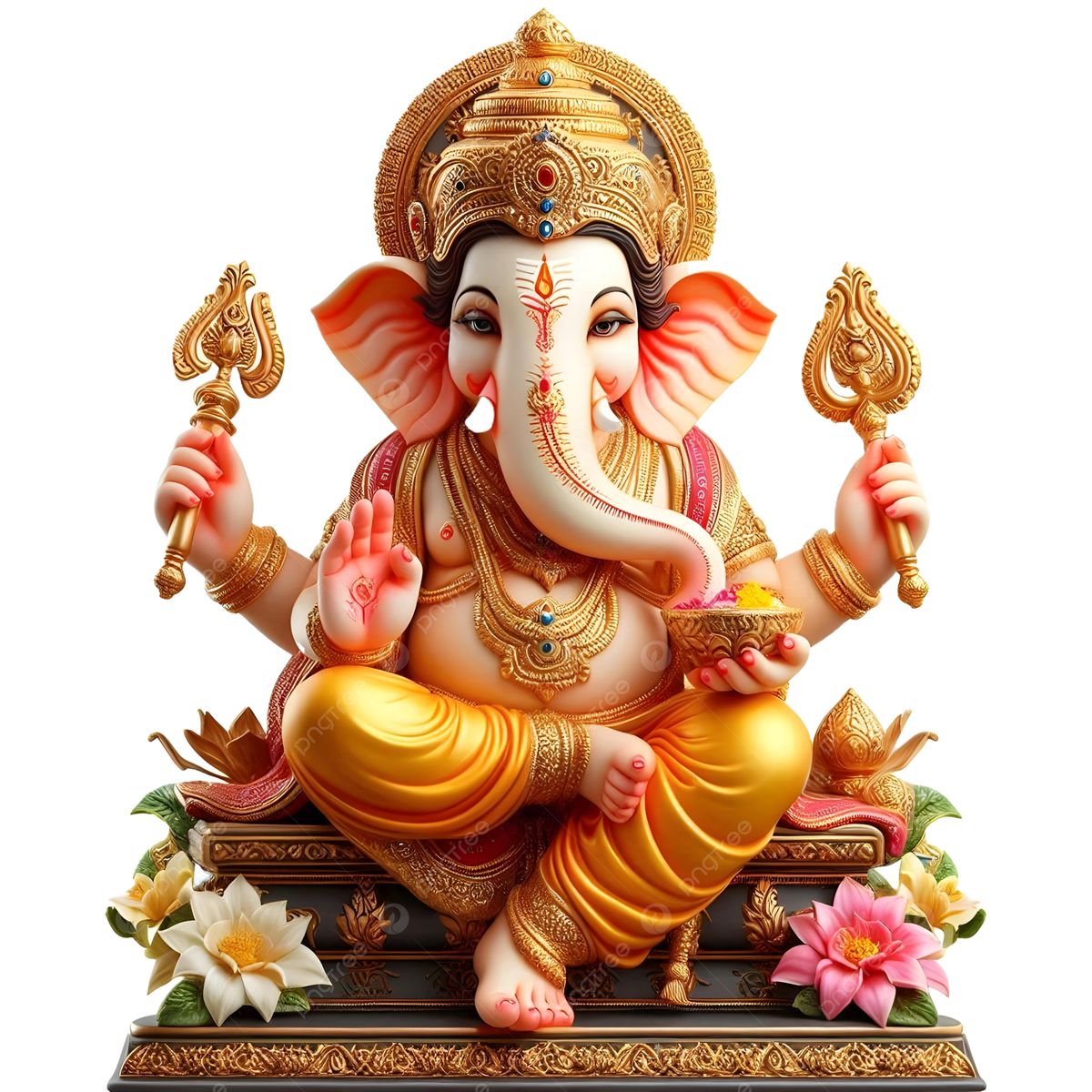
Ganesh Chaturthi is not just a festival—it is a sacred opportunity to invite wisdom, prosperity, and auspiciousness into the home. Observing it at home reinforces family bonds and spiritual samskaras.
Lord Ganesha, the remover of obstacles (*Vighnaharta*), is worshipped at the start of all auspicious occasions. His presence blesses our home with peace and success.
Celebrating this pooja at home allows children to witness rituals and learn the deeper meanings of devotion, gratitude, and discipline.
The energy created during the pooja purifies the home atmosphere and invokes divine vibrations.
As per grihagnan, performing Ganesh Pooja with devotion activates *sankalpa shakti*—the power of positive intent.
The idol, whether clay or metal, becomes a divine guest (*Atithi*) in your home. Treating Him with love, rituals, and offerings develops *atithi samskara*.
Preparing prasadam at home connects the family with the tradition of seva and sacred food.
Eco-friendly Ganesh idols symbolize our commitment to dharma and nature. This act becomes an offering to Bhoomi Devi.
Involving every family member in different parts of the pooja—cleaning, decorating, chanting—strengthens unity and dharmic living.
It reminds us of impermanence—after ten days, Lord Ganesha is immersed. Yet His blessings remain.
Lighting lamps and chanting *Ganesha Ashtottaram* or *Ganapati Atharvashirsha* uplifts the mind.
Daily aarti with devotion is an act of anchoring divine consciousness in everyday life.
Offering durva grass and modaks has symbolic significance—both are dear to Ganesha and represent humility and sweetness.
Financial budgeting for the pooja teaches children discipline in spending and spiritual priorities.
Decorating the mandap using flowers, mango leaves, and turmeric water is an act of beautifying the space for divine presence.
Writing Ganapati mantras on rice flour or turmeric rice instills concentration and bhakti.
During visarjan, offering coconut and flowers in water represents releasing ego and welcoming change.
Sharing prasadam with neighbors and relatives strengthens community ties.
Offering 21 modaks symbolizes the 21 inner energies that Ganesha governs.
20. When done with faith and purity, Ganesh Chaturthi pooja turns the home into a sanctified space, where grihagnan blossoms into grihalakshmi and gruhaprabhutvam.